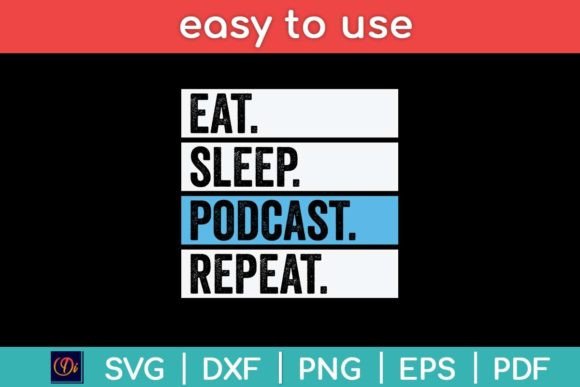
Reviewing the Ask Me About My Podcast SVG for Embroidery
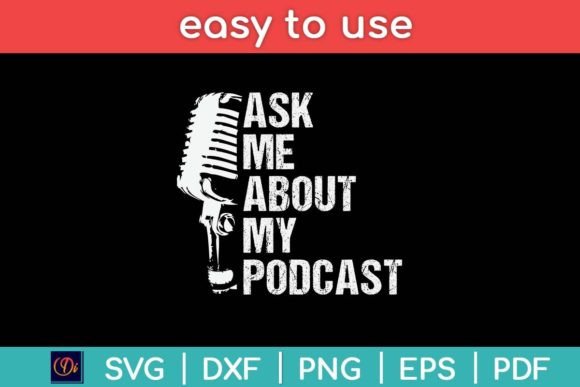
As a designer who spends half my life digitizing files and the other half testing them on actual fabric, I have learned to be skeptical of generic digital assets. We live in an era where Crafts and Graphics are often sold as interchangeable commodities, but anyone who has ever pulled a tangled mess of thread from a hoop knows that a cut file is not automatically an embroidery-ready design. Today, I am taking a close look at the Ask Me About My Podcast Funny Svg Design. While the product description explicitly markets this as a print and cut file compatible with Cricut and Silhouette machines for items like t-shirts, mugs, and wall decals, I want to evaluate its potential for machine embroidery. Can this witty, conversation-starting graphic translate well into stitch work for custom apparel and handmade products?
First Impressions: Mood and Visual Personality
The first thing that strikes me about the Ask Me About My Podcast Funny Svg Design is its bold, unapologetic personality. It is designed to be a social icebreaker, perfect for content creators, audio enthusiasts, or anyone proud of their creative side hustle. The layout typically features strong, legible typography paired with simple graphical elements, which is a promising start for embroidery. In the world of machine embroidery design, clarity is king. If a customer cannot read the text from three feet away, the design has failed.
The mood is playful yet professional enough for boutique branding. It does not rely on intricate shading or complex gradients, which are notoriously difficult to reproduce with thread. Instead, it leans on shape and contrast. This simplicity suggests that it could work beautifully as a satin stitch border or a clean fill stitch block, depending on how it is digitized. For an Etsy seller or small shop owner, this visual clarity translates directly to higher perceived value because the finished product looks crisp and intentional rather than muddy or overworked.
Real-World Application: From Digital File to Finished Product
Let us imagine a real scenario. You run a small online store specializing in creator merchandise. A client approaches you for a custom order: a high-quality canvas tote bag design for their podcast launch party. They want something durable, stylish, and recognizable. The Ask Me About My Podcast Funny Svg Design is an excellent candidate here. Because the design relies on bold lines, it holds up well against the textured weave of canvas. Unlike delicate lace patterns that might get lost in the fabric grain, this graphic commands attention.
Beyond tote bags, consider sweatshirt embroidery. A crewneck sweatshirt provides a stable, thick surface that is ideal for heavier stitch densities. Placing this design on the left chest or centered on the back creates a statement piece that feels premium. It also works wonderfully for personalized gift ideas, such as aprons for media-themed kitchen parties or pillow covers for a home studio setup. The versatility of the theme means it is not limited to a specific season, making it a reliable staple in your catalog of design assets year-round.
Technical Considerations for Embroiderers
Here is where we must bridge the gap between a vector SVG and a functional embroidery file. Since the source material is described as a cut file, you cannot simply load it into your embroidery machine software and expect perfect results. You must digitize it or convert it carefully. Here are my practical notes for ensuring success:
- Stitch Density and Type: Avoid using dense fill stitches for large areas if you are working on stretchy fabrics like jersey t-shirts. Instead, consider using a running stitch outline or breaking up large text blocks to prevent puckering. For hats or caps, keep the design narrow to fit within the curved hoop constraints.
- Stabilizer Selection: Always use a cut-away stabilizer for garments that will be washed frequently, such as custom apparel or baby items. For tote bags or pillows, a tear-away stabilizer may suffice, but test first. The right stabilizer ensures the text remains straight and does not distort after washing.
- Thread Color Contrast: This design relies on readability. Test your thread colors against your fabric background. White thread on a light gray heather shirt will vanish. High contrast is essential for the "funny" aspect to land; if people have to squint to read it, the humor is lost.
- Hoop Size Constraints: Check the dimensions of the SVG before digitizing. If the phrase is long, ensure it fits within your standard 5x7 or 6x10 hoop without scaling it down so much that the letters become illegible. Tiny lettering is the enemy of clean embroidery.
Where to Use Caution
While this design is versatile, it is not universal. I would advise against using it on highly textured fabrics like chunky knits or terry cloth towels unless you use a substantial topping stabilizer. The fabric texture can swallow the finer details of the font. Additionally, be cautious with dark fabrics if you are not confident in your underlay stitching. Dark backgrounds require precise underlay to prevent the base fabric from peeking through the top stitches, which can make the text look jagged.
Also, consider the end-use. If this is for an embroidered patch intended for iron-on application, ensure the edges are densely stitched with a satin border to prevent fraying. For holiday embroidery gifts, this design might feel out of place unless the recipient is specifically a podcaster, so know your audience. It is a niche design, which is both its strength and its limitation.
Commercial Viability and Brand Consistency
For commercial embroidery projects, consistency is key. The Ask Me About My Podcast Funny Svg Design offers a consistent visual language that can help build brand recognition for a creator. When customers see a well-stitched, professional-looking logo or slogan, it builds trust. It signals that the handmade product was crafted with care, not just mass-produced.
Before selling any finished product featuring this design, you must verify the licensing terms. Since the original file is marketed for cutting machines, check if the creator allows for commercial use of the digitized embroidery version. Many designers allow personal use but require an extended license for commercial sales. Protect your craft business by ensuring you have the right to sell items made with this graphic. Additionally, always create printable mockup images or digital previews to show customers how the design will look on different items before you commit to stitching.
Final Verdict
The Ask Me About My Podcast Funny Svg Design is a strong contender for embroidery projects when handled with technical care. It is not just a cute graphic; it is a communication tool. By paying attention to stitch density, hoop size, and fabric choice, you can transform this digital asset into a high-value custom apparel item or a cherished personalized gift. Whether you are creating baby embroidery for a little future host or a rugged tote bag design for a conference, this design delivers impact. Just remember: test on scrap fabric first, respect the limitations of thread, and always prioritize readability. Happy stitching.