Reviewing Eat Sleep Podcast Repeat Funny Svg for Embroidery
As a designer who has spent countless hours digitizing and testing files for real-world application, I approach every new asset with a critical eye. We often see digital files marketed broadly across Crafts and Graphics categories, but not every SVG translates seamlessly into thread. Today, I am evaluating the Eat Sleep Podcast Repeat Funny Svg to determine its viability for actual embroidery projects, client work, and small business merchandise.
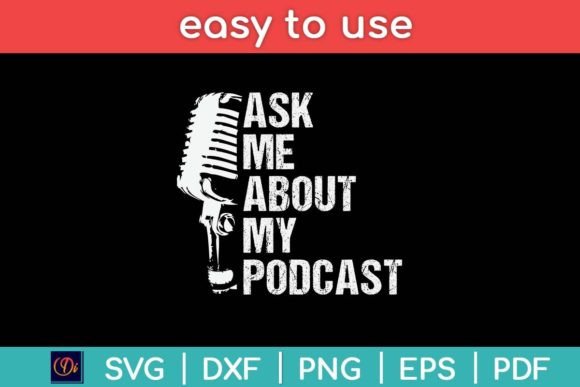
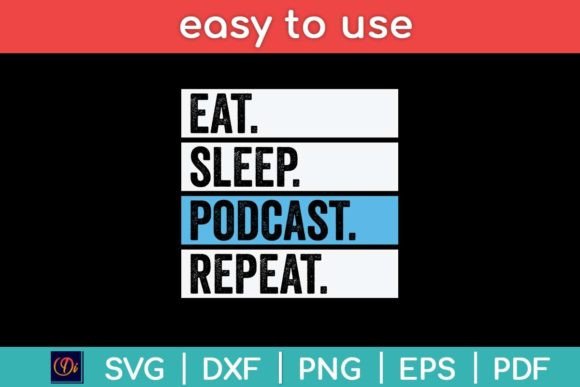
The first impression of this design is one of relatable humor. The phrase "Eat Sleep Podcast Repeat" taps into a specific cultural niche—audio enthusiasts and content creators. Visually, the layout is clean and linear, which is generally a positive sign for stitch conversion. However, because this file is described primarily as a print-and-cut asset compatible with Cricut and Silhouette machines, we must assess how these vector paths hold up when converted into a machine embroidery design. The mood is casual and witty, making it an ideal candidate for personalized gifts or boutique branding rather than formal corporate apparel.
Real-World Application: The Custom Tote Bag Test
To truly understand the potential of this embroidery file, I visualized a common scenario: creating a custom tote bag for a local podcasting meetup. Tote bags are typically made from canvas or heavy cotton, providing a stable base for stitching. The horizontal nature of the text in the Eat Sleep Podcast Repeat Funny Svg works well here, allowing the design to sit prominently across the center or upper third of the bag.
When translating this SVG into an embroidery project, the key consideration is letter spacing. In vinyl cutting, tight kerning is acceptable, but in embroidery, threads need room to breathe. If the original SVG has letters touching or extremely close gaps, a digitizer must adjust the stitch density and add underlay stitches to prevent the fabric from puckering. For a tote bag, using a fill stitch for larger letters and a satin stitch for smaller elements can create nice texture contrast. The result would be a durable, high-value handmade product that appeals directly to the target audience.
Versatility Across Apparel and Home Decor
Beyond tote bags, this design shows promise for custom apparel. Imagine this stitched onto the chest of a unisex sweatshirt. The humorous tagline serves as a conversation starter, enhancing the wearability of the garment. For sweatshirt embroidery, the thickness of the fleece helps hide minor imperfections in stitch alignment, making it forgiving for intermediate embroiderers. It also works well for embroidered patch creation. By stitching the design onto twill and cutting it out, you create a versatile accessory that can be ironed or sewn onto jackets, hats, or backpacks.
In the realm of home decor, consider a pillow cover or a kitchen tea towel. The simplicity of the message fits the minimalist aesthetic popular in modern interiors. However, when working on textured fabrics like linen or waffle-weave towels, you must ensure the thread colors contrast sufficiently with the background. A dark thread on a light towel ensures readability, while a monochrome look might get lost in the fabric weave. This versatility makes it a strong asset for Etsy sellers looking to expand their product lines without creating entirely new designs from scratch.
Technical Constraints and Careful Considerations
While the concept is strong, there are technical hurdles to address when moving from a cut file to a stitched one. Since the source is an SVG intended for printing and cutting, it lacks inherent stitch data. You cannot simply load an SVG into most embroidery machines without first digitizing it or converting it using specialized software. This is a crucial distinction for craft business owners who may assume the file is ready-to-stitch.
Pay close attention to small details. If the SVG includes intricate icons or very thin font weights, these may not survive the embroidery process. Tiny elements can become tangled nests of thread or break off after washing. I recommend testing the design on scrap fabric first. Check if the hoop size accommodates the full width of the phrase. For curved surfaces like caps, the horizontal layout might distort unless properly punched with pull compensation. Additionally, avoid using this design on highly stretchy fabrics without a robust stabilizer, as the weight of the thread could cause the garment to sag or warp.
Enhancing Visual Appeal and Brand Value
From a branding perspective, the Eat Sleep Podcast Repeat Funny Svg offers high recognition value. Humor sells. When customers see a clever phrase executed in high-quality thread, it builds trust in your craftsmanship. It elevates a simple item into a personalized gift with emotional resonance. For small shop product listings, using this design in printable mockup previews can help buyers visualize the final outcome. Ensure your mockups show the texture of the stitches, not just a flat print, to set accurate expectations.
The choice of thread colors plays a significant role in the final aesthetic. For a modern look, consider using variegated threads that shift subtly between shades, adding depth to the letters. Alternatively, a bold, solid color against a neutral fabric creates a striking graphic impact. Consistency in your color palette across different products helps establish brand identity. Whether you are creating holiday embroidery gifts or everyday wear, the quality of the stitch-out reflects directly on your professionalism.
Practical Notes for Designers and Makers
Before committing to a large production run or listing this as a commercial embroidery item, take these practical steps:
- Verify Licensing: Confirm whether the SVG license allows for commercial use of finished physical goods. Some digital assets are for personal use only.
- Digitize Carefully: If you are converting the SVG yourself, pay attention to jump stitches and trim points to minimize cleanup time.
- Test on Multiple Fabrics: Stitch samples on cotton, polyester, and blends to see how the tension affects the outcome.
- Check Contrast: View your design in black and white to ensure the shape remains clear even without color differentiation.
- Inspect Small Details: Zoom in on the vector paths. If lines are too close, merge them or simplify the design to prevent thread breaks.
In conclusion, the Eat Sleep Podcast Repeat Funny Svg is a promising candidate for embroidery when handled with technical care. It bridges the gap between digital design assets and tangible finished product appeal. By understanding the limitations of converting cut files to stitch files and respecting the material constraints of embroidery, you can transform this graphic into a profitable and charming addition to your catalog. Whether for a baby embroidery project, a quirky apron, or a statement sweatshirt, this design holds value for those who appreciate both humor and craft.