Reviewing Go Climb a Cactus for Embroidery
As a designer who spends half my life digitizing and the other half stitching, I have learned that not every cute graphic translates well to thread. When I first pulled up the Go Climb a Cactus Funny SVG Cut File, my initial reaction was purely visual. It is witty, bold, and undeniably trendy. But before I could recommend it for a client’s custom apparel line or my own Etsy shop, I needed to know how it would behave under the needle. This review breaks down the practical reality of using this design in real-world embroidery projects, moving beyond the digital preview to the tactile finished product.
First Impressions and Design Personality
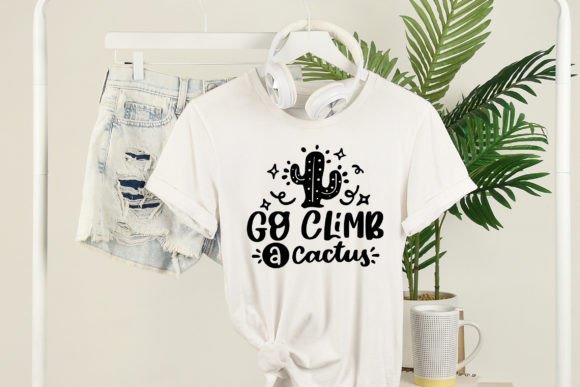
The mood of this piece is playful yet resilient. The phrase "Go Climb a Cactus" carries a sassy, independent vibe that resonates with modern consumers looking for humor in their home decor and clothing. Visually, the layout relies on strong typography paired with iconic desert imagery. For an embroidery designer, this combination raises immediate questions about density and detail. The cactus element suggests organic curves, while the text demands crisp legibility. In the realm of Crafts and Graphics, this file stands out because it balances negative space with bold shapes, which is crucial when converting a vector cut file into a stitched reality.
Real-World Application: The Tote Bag Test
To truly evaluate the Go Climb a Cactus Funny SVG Cut File, I imagined a specific scenario: a custom order for a local boutique selling sustainable goods. The client wanted a sturdy canvas tote bag featuring this design. Canvas is a forgiving fabric, but it has a distinct texture that can swallow small details. I visualized the design centered on the bag, using a satin stitch for the text to ensure readability from a distance. The cactus graphic, however, would benefit from a fill stitch to create a solid, vibrant pop of green against the neutral background. This project highlighted the versatility of the design. It works not just as a digital asset for printing, but as a robust template for machine embroidery when adjusted correctly.
Navigating Fabric and Hoop Constraints
One of the most critical aspects of using any SVG-derived design for embroidery is understanding its limitations on different materials. While this design shines on stable fabrics like cotton twill or denim, it requires caution on stretchy knits. If you are applying this to a sweatshirt or a baby onesie, the stability of the garment becomes paramount. Without proper stabilizer, the tension from the satin stitch lettering could cause puckering, ruining the clean lines of the humor. Furthermore, hoop size matters. If you are working with a standard 4x4 inch hoop, you may need to scale down the design, which risks making the smaller details of the cactus spines indistinguishable. Always check the dimensions against your machine’s maximum hoop capacity before committing to the final stitch-out.
Stitching Strategy and Thread Choices
When translating this Go Climb a Cactus Funny SVG Cut File into thread, color contrast is your best friend. On dark fabrics, such as navy or black apparel, using bright, high-contrast thread colors for both the text and the cactus ensures the joke lands visually. I recommend using a polyester thread for its sheen and durability, especially for items like tumblers decals or outdoor gear that might face wear and tear. For the text, a tight satin stitch provides a professional, raised look that feels premium to the touch. However, be mindful of stitch density. Too many layers in a small area can lead to thread breaks or fabric distortion. A running stitch border around the cactus can help define its shape without adding unnecessary bulk, keeping the design light and flexible.
Commercial Viability for Small Businesses
For Etsy sellers and craft business owners, this design offers significant potential. It fits seamlessly into several trending categories: funny home decor, personalized gifts, and casual apparel. The humorous tone makes it an excellent choice for holiday embroidery projects or gag gifts, which often see higher engagement on social media. When creating printable mockups or digital product previews, ensure you show the design on various backgrounds to demonstrate its versatility. Whether it is embroidered on a kitchen towel, a cap, or a patch, the key is consistency. Branding your finished product with high-quality stitching builds customer trust. A sloppy stitch-out can undermine the wit of the message, so precision is non-negotiable.
Practical Designer Notes
- Test on Scrap First: Always run a test stitch on the same fabric type you plan to use for the final product. This helps you adjust tension and density.
- Check Licensing: Before selling finished items or digital products, confirm the license terms provided by ProDesign Print X. Ensure commercial use is permitted for your specific business model.
- Stabilizer Selection: Use a cut-away stabilizer for stretchy fabrics like t-shirts and a tear-away for stable woven fabrics like tote bags.
- Detail Inspection: Zoom in on the cactus details. If the spines are too fine, consider simplifying them in your digitizing software to prevent thread nests.
- Contrast Check: View your design in black and white to ensure the text remains legible regardless of thread color choices.
Final Verdict on Usability
The Go Climb a Cactus Funny SVG Cut File is more than just a cute graphic; it is a versatile asset for the creative entrepreneur. While it originates as a cut file for vinyl and paper crafts, its bold lines make it a strong candidate for embroidery when handled with care. It performs best on stable, medium-weight fabrics where the stitch definition can shine. For handmade product creators, this design offers a blend of humor and style that appeals to a broad audience. Just remember that successful embroidery is about adaptation. Take the time to adjust stitch types, verify hoop sizes, and select the right thread colors. When done correctly, this design elevates a simple item into a memorable, shareable piece of art. Whether you are decorating a pillow cover for a nursery or branding a line of aprons, this design holds up under scrutiny, provided you respect the technical demands of the needle.