Reviewing the Ironworker Limited Edition Funny SVG
As a designer who spends half my life staring at stitch simulations and the other half untangling thread jams, I approach every new digital embroidery file with a healthy dose of skepticism. We have all been there: you download a cute graphic, load it into your software, and realize the lines are too thin for a satin stitch or the density is so high it will turn your fabric into cardboard. That is why when I came across the Ironworker Limited Edition Funny Svg, I did not just look at the preview image. I looked at it through the lens of production reality.
This design falls under the broad categories of Crafts and Graphics, but for those of us running a craft business or managing an Etsy seller account, those labels do not pay the bills. Practicality does. The description notes that this is a print cut file compatible with Cricut and Silhouette cutting machines, ideal for t-shirts, mugs, wall decals, pillows, and posters. However, as an embroidery specialist, my immediate question was how this vector-based aesthetic translates to needle and thread. Can a design born for vinyl cutting survive the texture of a tote bag design or the stretch of a sweatshirt embroidery project? Let us break down the real-world application.
First Impressions and Visual Personality
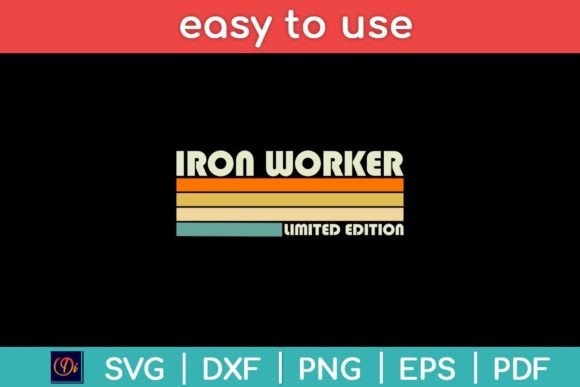
The first thing that strikes you about the Ironworker Limited Edition Funny Svg is its bold, confident layout. It carries a mood that is both rugged and humorous, which is a difficult balance to strike in design assets. For an embroidery project, this visual personality is crucial. You do not want a joke design to look cluttered or weak after stitching. The shapes appear solid and well-defined, which suggests that if adapted correctly, it could handle a fill stitch without losing its character.
In a real-life scenario, imagine a client coming to you for a retirement gift for a colleague who has spent thirty years on the beams. They want something funny but respectful, something that says "I know what you do" without being generic. This design fits that brief perfectly. It creates an instant connection. When placed on a dark navy hoodie or a sturdy canvas apron, the contrast potential is high. However, because the source material is optimized for cutting machines, we must be mindful of how we convert those clean vector lines into thread.
Adapting Cut Files for Stitching Reality
Here is where the experienced eye must take over. A file designed for Cricut or Silhouette relies on sharp, continuous cuts. Embroidery relies on thread coverage and tension. If you simply auto-digitize this machine embroidery design without adjustment, you risk issues. The text elements, if present in the svg, need to be checked for minimum height. Tiny lettering can become illegible if the stitch density is too low or if the font is too thin for a satin stitch.
For a custom apparel piece, such as a work shirt, I would recommend using a combination of stitch types. Bold outlines might benefit from a thicker satin column, while larger filled areas could use a tatami or fill pattern to keep the garment flexible. If you are creating an embroidered patch, you have more freedom to increase density and use a heavy backing, making the design pop with a professional, raised look. But for direct-to-garment stitching on a personalized gift like a baby onesie or a lightweight tee, you must reduce pull and ensure the design breathes.
Fabric Considerations and Hoop Constraints
Where you place this design matters as much as the design itself. On textured fabrics like terry cloth towels or fleece blankets, fine details can get lost. The Ironworker Limited Edition Funny Svg seems to rely on strong silhouettes, which is good news for textured materials. However, on stretchy fabrics like jersey knits used in t-shirts, stabilization is non-negotiable. Without a proper cut-away stabilizer, the weight of the thread could cause the fabric to pucker, distorting the humor and the shape.
Also, consider the hoop size. If you are working on a curved surface like a cap, you need to ensure the design fits within the usable area of your cap frame. Large, dense designs can feel heavy on a hat. For a holiday embroidery project, such as a Christmas ornament or a small pillow cover, scaling down the design requires careful attention to detail. What looks crisp at six inches wide might become a muddy blob at two inches wide. Always test scale on scrap fabric before committing to the final finished product.
Commercial Viability and Brand Trust
For small shop product creators, consistency is key. Using a design like this can enhance brand recognition if it aligns with your niche. If you specialize in trade-themed gifts, this asset adds value. Customers trust clear, well-executed embroidery. A sloppy stitch-out damages that trust. By taking the time to adjust the thread colors for optimal contrast—perhaps using metallic gold or silver threads to mimic steel beams—you elevate the perceived value of the item.
When creating printable mockup previews for your online store, remember that the digital representation may look sharper than the stitched result. Be honest in your product photos. Show close-ups of the stitch quality. This transparency builds buyer engagement and reduces returns. Whether you are selling physical handmade product items or offering this as part of a broader suite of commercial embroidery services, the execution defines your reputation.
Practical Designer Notes for Success
Before you run this design on your client’s expensive jacket, follow these steps:
- Test on Scrap Fabric: Always stitch a sample on the same type of fabric you intend to use for the final item. Check for puckering and thread breaks.
- Check Thread Contrast: View your design in black and white. If the elements blend together, adjust your thread colors or add outlining stitches to separate shapes.
- Review Stitch Density: Ensure the density is appropriate for the fabric weight. Heavy density on light fabric causes distortion; light density on heavy fabric looks cheap.
- Confirm Licensing: The product description mentions it is a cut file. Verify if the creator allows commercial use for embroidered items. Do not assume rights extend beyond cutting machines.
- Inspect Small Details: Zoom in on your digitizing software. Are there tiny jumps or unnecessary trims? Clean up the path to reduce machine wear and thread waste.
The Ironworker Limited Edition Funny Svg has strong potential as a versatile design asset. It bridges the gap between humorous graphic art and tangible crafts. However, its success depends entirely on the skill of the operator. Treat it not just as a file to be loaded, but as a blueprint that requires interpretation. With careful attention to fabric texture, proper stabilization, and thoughtful digitizing adjustments, this design can become a standout piece in your portfolio. Whether it ends up on a rugged work apron or a cozy baby embroidery keepsake for a future builder, the goal is the same: a clean, durable, and delightful finish that makes the recipient smile.