Ironworker Paid to Get High Funny Svg Review
As a designer who spends half my life staring at digitized paths and the other half pulling bobbins out of jammed machines, I have learned to look past the flashy preview images. When I first opened the Ironworker Paid to Get High Funny Svg, my immediate reaction was not just about the humor, but about the structural integrity of the lines. This is a piece of digital art that lives in the Crafts category, but for those of us turning pixels into thread, it represents a specific challenge in translating bold graphics into tactile Graphics.
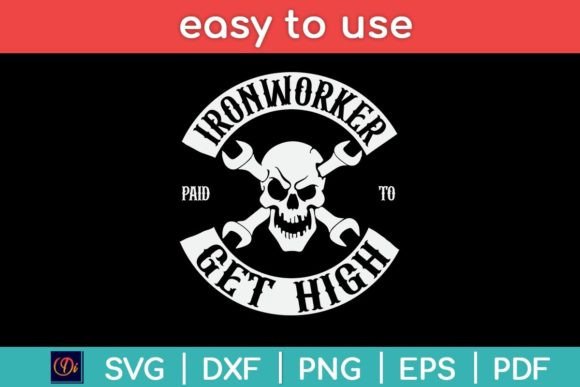
The design carries a rugged, industrial mood that fits perfectly with the ironworking theme. The layout is straightforward, relying on strong typography and clear iconography. For an embroidery project, this simplicity is often a blessing. Complex gradients and subtle shading rarely survive the transition from screen to stitch, but bold, high-contrast elements like these tend to hold up well. The visual personality is unapologetic and gritty, which means it naturally belongs on durable goods rather than delicate linens.
Real-World Application: The Custom Sweatshirt Test
To truly evaluate this file, I imagined a real-life scenario involving a custom order for a local construction crew. They wanted matching gear for a holiday party, something that balanced professionalism with inside jokes. I visualized placing the Ironworker Paid to Get High Funny Svg on the left chest of a heavy-weight cotton sweatshirt. In this context, the design acts as a badge of honor. It is not just a joke; it is a statement of identity.
However, moving from a vector file to a stitched reality requires careful planning. Since this is described as a print cut file compatible with Cricut and Silhouette, it is crucial to understand that you are likely working with a graphic intended for vinyl cutting or heat transfer, not necessarily a pre-digitized embroidery file. If you are converting this SVG for machine embroidery, you must manually digitize it or use auto-digitizing software with extreme caution. Auto-digitizers often struggle with text, creating jagged edges where smooth satin stitches should be.
If you are using this as a template for applique, the process becomes much more manageable. You can cut the background shapes from felt or twill, then stitch over the edges with a satin stitch. This method reduces stitch count and prevents the fabric from puckering, which is a common issue when stitching dense designs onto stretchy fabrics like sweatshirt fleece.
Navigating Fabric and Hoop Constraints
One of the most critical aspects of using any bold graphic is understanding where it fails. The Ironworker Paid to Get High Funny Svg features thick lines and solid areas, which can be problematic on certain materials. If you attempt to stitch this directly onto thin fabric without proper support, the pull of the thread will distort the garment. Always use a cut-away stabilizer for knit fabrics and a tear-away for woven cottons.
Hoop size is another factor. While the design may scale down, there is a limit to how small you can go before the text becomes illegible. On a cap or a baby item, the intricate details might merge into a blob of thread. I recommend testing the design on scrap fabric first, specifically in the smallest size you intend to sell. Check the stitch density carefully. If the software packs too many stitches into the solid black areas, the result will be stiff and board-like, ruining the drape of a t-shirt or tote bag.
Dark fabrics present their own challenges. If the design relies on negative space or light-colored threads, ensure you have high-quality rayon or polyester thread that offers good coverage. A poorly covered fill stitch on a black hoodie looks amateurish and can undermine the perceived value of your handmade product.
Commercial Viability and Brand Consistency
For Etsy sellers and small shop owners, the appeal of this design lies in its niche specificity. It targets a demographic that is often underserved in the personalized gift market. However, commercial viability depends on execution. A sloppy stitch-out suggests carelessness, while a crisp, clean finish builds customer trust. When buyers see a well-executed embroidered patch or apron, they associate that quality with your entire brand.
This design works best for items that endure wear and tear. Think beyond t-shirts. Consider heavy canvas tote bags, denim jackets, or work aprons. These substrates can handle the weight of the stitching without warping. For boutique branding, consistency is key. If you are selling a line of industrial-themed gifts, this design fits seamlessly. But if your shop usually features delicate floral motifs, this graphic might feel disjointed. Know your audience.
Practical Designer Notes for Best Results
Before you list this as a digital embroidery file or start stitching finished products, take a moment to review the technical specifics. Since the product description mentions compatibility with cutting machines, verify if you have the rights to convert this SVG for embroidery use. Licensing terms vary, and selling finished items made from converted files may require specific permissions.
- Test on Scrap: Never stitch a new design directly on the final garment. Use similar fabric weight and type for your test runs.
- Check Contrast: View your mockup in black and white. If the design loses definition, adjust your thread colors or add outlining stitches.
- Stabilizer Selection: Match the stabilizer to the fabric. Stretchy fabrics need cut-away; stable wovens can use tear-away.
- Inspect Small Details: Zoom in on the digitized version. Look for traveling stitches that could cause thread breaks or loose loops.
- Verify Licensing: Confirm whether the license allows for commercial use of finished physical products or if it is limited to personal use.
In conclusion, the Ironworker Paid to Get High Funny Svg is a potent tool for the right creator. It offers a bold, humorous aesthetic that resonates with a specific community. However, its success depends entirely on the skill of the embroiderer. By respecting the limitations of the medium, choosing the right fabrics, and paying attention to stitch density, you can transform a simple graphic into a high-value, durable piece of custom apparel. Whether for a holiday gift or a small business merchandise line, this design has the potential to stand out, provided it is handled with professional care and technical precision.