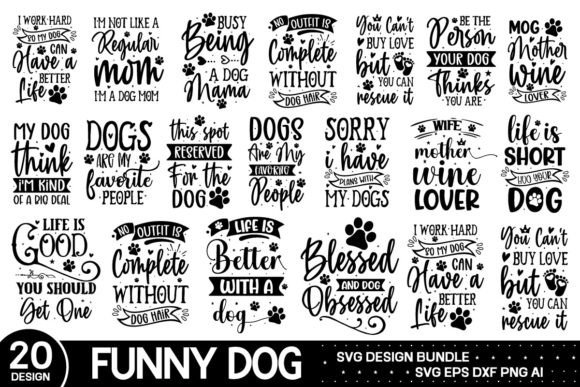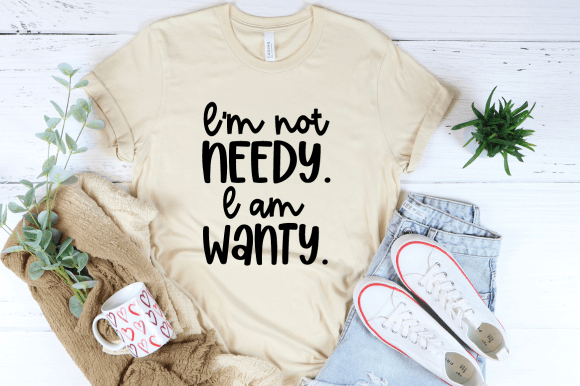
Funny Svg: A Designer’s Take on Real Embroidery Use
As a designer who spends more time staring at stitch simulations than I care to admit, I have learned that not every digital file translates well to thread. We see thousands of Graphics files floating around the internet, promising ease and charm, but the real test is always the needle hitting the fabric. Recently, I pulled up the Funny Svg design to evaluate its potential for actual production work. This isn’t just about whether it looks cute on a screen; it is about whether it holds up as a viable machine embroidery design for a craft business or a heartfelt personalized gift.
First Impressions and Visual Personality
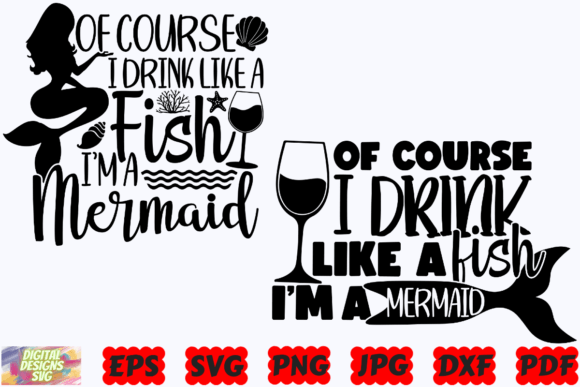
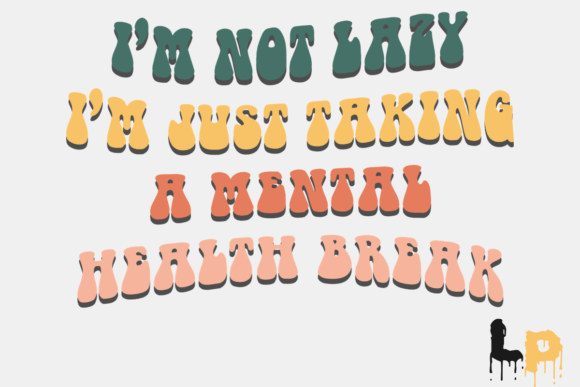
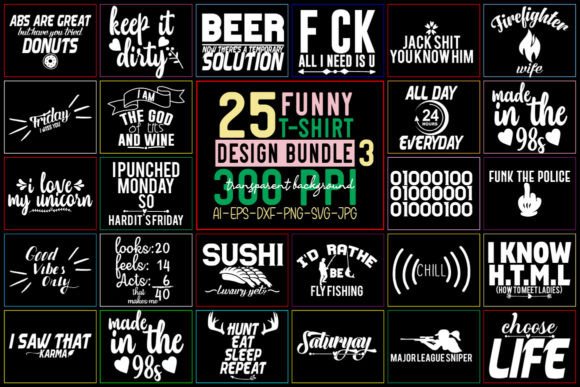
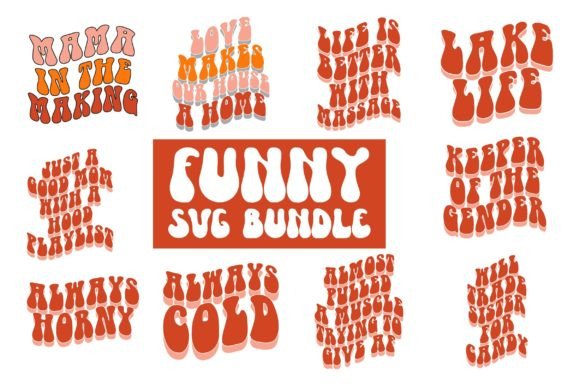
The first thing that strikes you when opening this embroidery file is its playful intent. The layout suggests a lighthearted mood, perfect for breaking the monotony of standard corporate logos or stiff traditional motifs. In the world of Crafts, personality sells. When I visualize this design stitched out, I imagine it working best on items that invite interaction, like a cozy sweatshirt or a durable tote bag. The shapes appear balanced, avoiding the chaotic clutter that often plagues lower-quality digital downloads. For an Etsy seller or small shop owner, this visual clarity is crucial because it ensures the message is readable even from a distance.
However, a pretty preview does not guarantee a smooth stitch-out. My immediate concern with any humorous or illustrative design is the level of detail. Does it rely on tiny, fragile lines that might break under tension? Or does it use bold, confident shapes that translate well into satin stitch and fill stitch formats? From what I can assess, the design leans toward simplicity, which is generally a good sign for durability and stitch clarity.
Real-World Application Scenarios
To truly understand the value of this asset, I mentally placed it into several common production scenarios. Imagine preparing a custom order for a local boutique. They want a line of custom apparel featuring witty, relatable graphics. Here, Funny Svg could serve as the centerpiece for a unisex hoodie. The design’s scale seems appropriate for the chest or upper back, areas where a hoop size of 5x7 or larger would comfortably accommodate the artwork without excessive hooping adjustments.
Another strong candidate for this design is the tote bag design market. Canvas fabrics are forgiving and provide a stable base for embroidery. A humorous graphic on a reusable bag adds character and encourages daily use, turning the item into a walking advertisement for your brand. Similarly, consider baby embroidery projects. While humor might seem adult-centric, playful designs often translate well to nursery decor or baby bibs, provided the color palette is softened. A pastel version of this design on a soft cotton onesie could make for an excellent personalized gift that stands out in a sea of generic store-bought items.
For those interested in non-apparel items, this digital embroidery file shows promise for home goods. Think of a pillow cover in a living room setting or a set of kitchen towels. The key here is ensuring the design does not feel too heavy or dense, which could compromise the drape of the fabric. If the design includes open spaces and uses running stitch outlines effectively, it will remain lightweight and comfortable against the skin or suitable for frequent washing.
Technical Considerations and Stitching Challenges
While the aesthetic appeal is clear, we must address the technical realities of stitching. One area where many designers stumble is with textured or stretchy fabrics. If you plan to use this on a sweatshirt embroidery project, the pile of the fleece can obscure fine details. I recommend testing the design on scrap fabric first to determine if the stitch density is sufficient to pop against the texture. If the design relies heavily on thin lines, they may get lost in the fuzz of a hoodie.
Curved surfaces present another challenge. Applying this design to a cap requires careful attention to the hoop and stabilizer setup. Caps are unforgiving; if the design is too wide or has elements that extend too far vertically, it may distort during stitching. Always check the dimensions against your specific cap frame capabilities. Furthermore, for embroidered patch creation, ensure the edges of the design are clean and do not leave loose threads that require excessive trimming. A clean edge finish is vital for professional-looking merchandise.
Dark fabrics also demand scrutiny. If the Funny Svg design uses light colors on a black garment, you must verify that the underlay stitches are robust enough to prevent the background fabric from showing through. This is where proper stabilizer selection becomes non-negotiable. A cut-away stabilizer is often safer for garments that will undergo repeated washing, ensuring the design remains stable and does not pucker over time.
Enhancing Product Value and Brand Trust
From a business perspective, the quality of your design assets directly impacts customer trust. A poorly digitized design that birds nests or breaks threads reflects poorly on the maker, regardless of how funny the concept is. Conversely, a well-executed stitch-out of Funny Svg elevates the perceived value of the finished product. It signals professionalism and attention to detail. For commercial embroidery clients, this reliability is worth paying for. They are not just buying a design; they are buying the assurance that their brand will look polished.
Moreover, using versatile graphics allows for better brand consistency. If you can adapt this design across various products—mugs via sublimation, shirts via embroidery, and stickers via vinyl—you create a cohesive product line. This versatility is a significant advantage for small shop product developers who need to maximize the utility of each purchase. It reduces the need to source multiple different files for similar themes, streamlining your workflow and inventory management.
Practical Notes for Designers and Makers
Before committing to a large production run, take these practical steps. First, always review the license terms. While many files allow for commercial use, it is essential to confirm whether there are restrictions on mass production or digital resale. Second, test the design in black and white mockups. This helps identify contrast issues that might not be visible in full color. Third, inspect the small details. Zoom in on the digital preview to check for overlapping nodes or unnecessary stitch points that could slow down your machine.
Finally, consider your audience. Who is buying this handmade product? Is it for a holiday gift, a birthday surprise, or a self-indulgent treat? Understanding the recipient helps you choose the right thread colors and fabric combinations. A vibrant, high-contrast palette might work for a youthful audience, while muted tones could appeal to a more sophisticated demographic. By treating Funny Svg not just as a file but as a component of a larger creative strategy, you ensure that your final output resonates with buyers and stands the test of time.